
One thing you offer that AI can’t, ever
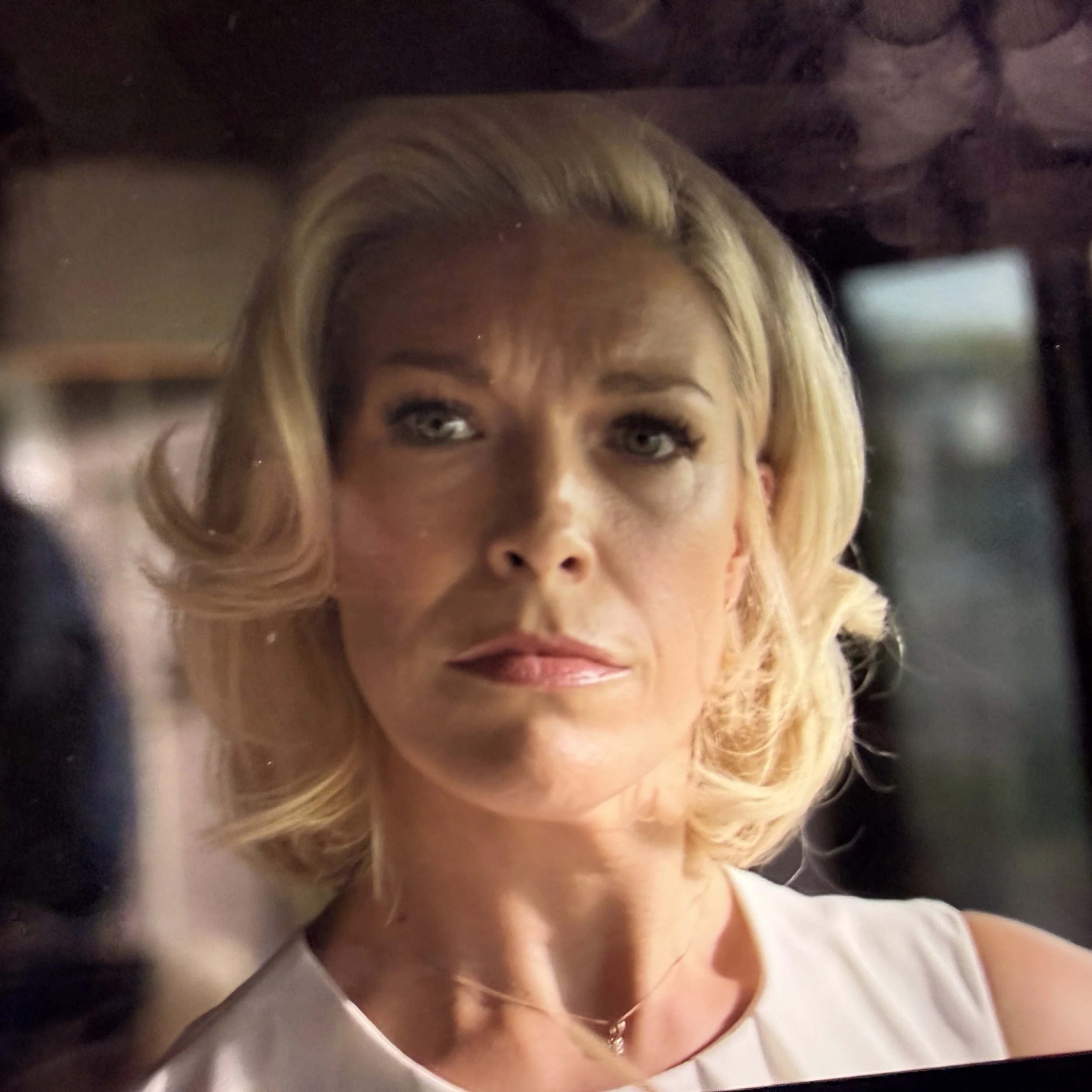
The incomparable first season of Ted Lasso starts with just the image above, antagonist Rebecca Welton’s face in steely close-up.
Ted Lasso is a riff on The Wizard of Oz. Ted comes from Kansas to the strange new world of British football, and Rebecca is his wicked witch.
The season even ends with him throwing water on her:
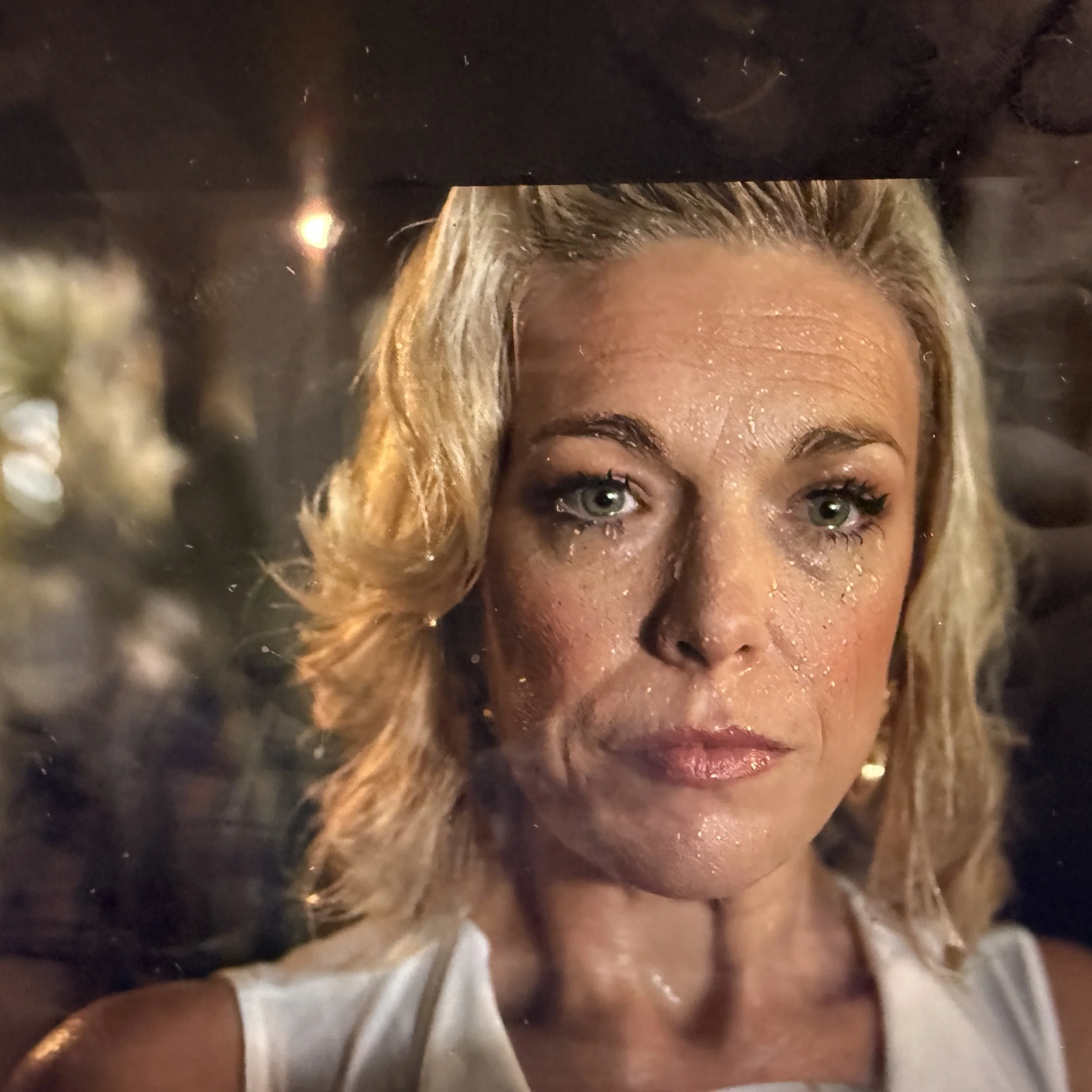
The gulf between these images – impervious, emotionless Rebecca at the start and reachable, receptive, selzer-soakable Rebecca at the close – is everything the show’s about.
Between the photos is Ted’s friendship with Rebecca.
And that friendship tells you everything you need to know about why you will always be worth more than any AI.
BUT FIRST: STORY STRUCTURE
I’m tying a lot together here, I know. But it will make sense.
First, let’s cover how to tell a story.
There are three parts:
At the story’s start, a person wants a thing.
In the story’s middle, they attempt to get it. But there’s opposition.
In the story’s end, the person gets the thing they want – but not despite the opposition. They get what they want because of it.
In well-told stories, friction – the antagonist, the fight – is HOW the hero gets the thing they want.
Because good stories are about growth.
And growth happens via struggle.
We want something, we fight for it – and that fighting forms us. This is what my toddler’s doing when she puts the wrong shoes on the wrong feet and won’t let me help her. It is also what my 80-year-old neighbor’s doing as she stands beside the road with a “No Kings” sign for two hours.
They’re both being formed through struggle.
If you’re trying to form an audience – clients maybe, or donors or employees – then inviting them to struggle alongside you is how you do it.
In other words: Tell them a story.
NO CHARISMA NECESSARY
Hollywood made the 3-act story formula; most of us have seen so many movies that we are drawn to it without even noticing.
Last June, my friend and client Mike Carpenter suggested we create something together about the entrepreneurial journey. We’re both business owners; could we use our similarities and differences to springboard conversations others would appreciate?
Neither of us had ever run a podcast. I thought we would benefit from a structure that we couldn’t screw up too badly.
Story was that structure.
We got in the weeds recording No Plan Survives; we shared details so specific to our own experience that they won’t apply to many listeners.
But the struggle will apply.
If our podcast is listenable – and I hope you’ll try – it’s not because we chose universal subject matter.
It’s because we chose a universal structure:
I tried this.
It went to hell.
Hell made me better.
That’s the stuff that’s kept us humans huddled around fires and glued to screens for generations. Humans love that stuff.
So it’s weird that, when we build businesses, we work so hard to leave out the best part.
TECH IS ANTI-FRICTION
No child ever asked to hear a bedtime resume.
The projects you completed, the wins you racked up – all dull, so dull. The best part of your story is the second act, when your plans went to hell.
You fought. You grew. The friction formed you.
Friction is what Ted gets from Rebecca – and it’s what your friends and clients get from you that LLMs won’t give. You have the chance to be their second act, the place they grow, their friction.
AI isn’t even trying.
The tech-biz approach to business, since tech business was a thing, has been to take the friction out. Amazon removed the friction from our shopping; Uber took it out of taxis. Google took it out of research.
You might think these plays were all about convenience – and that’s half-right, because inconvenience is a form of friction.
But it’s not the only one.
Was getting a taxi from the hotel’s front desk ever inconvenient? You just had to ask.
And asking was the friction.
Talking to another human can be hard; sometimes we’d rather not. Our neighbors come with their own needs and problems. Some of them are weird. You ask the guy at Ace Hardware for rivets and before you know what happened you are looking at grandkid photos.
Amazon search won’t do that to you. It’s not only faster; it’s less human.
Please don’t hear me saying I don’t like this. I’m so into it! I love one-click convenience.
But removing friction costs us something, too – and we’re just starting to sense how much.
I MISS THE FRICTION
AI feels like the “no human friction” idea turned up to max volume. Claude and ChatGPT and their cousins could act like machines; they don’t. Their builders made them use first-person pronouns and soothe egos and say “great idea!”
They act like people. Just not like real people.
Your LLM won’t make fun of you, won’t push back, won’t tell you when you’re behaving badly. It always reassures. It never runs out of patience.
I mean, not unless you ask. Ask Claude to criticize you and it will; it will take sterner tones or look for weak spots in your argument if you tell it to.
But that’s not friction. That’s still doing what you say.
Your AI friend’s a mirror, not a window. It can’t see the world differently from you – can’t see the world at all, in fact. It just reflects it.
That means you can’t be in conflict.
And if there’s no struggle, how will there be growth?
HOW TED GROWS
Here’s the 3-act structure of Ted Lasso Season 1:
1️⃣ Ted wants a family.
He is alienated from his wife, who finds his constant can-do attitude isolating.
Ted’s determined to prove the value of his optimism.
2️⃣ In English football, Ted the optimist is thrust into a world of misanthropes and cynics.
He fights back with kindness. Ted would like the team he coaches to win games – but mostly, Ted wants to win people.
Most of all he’d like to win the trust of the team’s owner, Rebecca.
So they struggle.
When Ted thinks he’s won her trust, a secret is revealed: Rebecca has been using him to sabotage the team.
She thought so little of him, she was sure he’d fail.
3️⃣ Ted forgives Rebecca.
In so doing, he both wins the family he has craved and proves the value of his optimism.
But – and this is key – Ted wins by going through Rebecca’s cynicism and addressing it, not by pretending it does not exist.
The world of cynics teaches Ted to be a better optimist.
Without Rebecca, he’s a fool who hides hard things behind cliches and cookies. But when his true self and her true self collide, he learns to face reality. Ted gets better.
If you want to offer something AI never will, then offer this.
Challenge your clients. Collide with friends.
Give them the gift of being different.
WITCHES WANTED
I’ve got Claude doing research for me and speeding up some tasks. It’s cool, I guess.
But I don’t want my young kids near it, and that tension troubles me.
I don’t buy Silicon Valley’s lines about how everyone will soon have perfect therapists and teachers. Give my kids imperfect, thank you. Give them weird lab partners, chatty cabbies and deskmates with insufficient hygiene.
Maybe the occasional mildly wicked witch.
I don’t want friction for my kids, but I’m aware they need it. I want them to grow.
I want to grow, too – and for that, we need the friction.
Our lives need to story.
Thanks for being in mine.
To hear more stories from me, subscribe to No Plan Survives. To share one of your own, find me here.
